Welcome to the official website of Shandong Tengda Engineering Machinery Equipment Co., Ltd


Efficiency in Depth: Why a Fully Hydraulic Core Drill is the Top Choice for Modern Exploration
Efficiency in Depth: Why a Fully Hydraulic Core Drill is the Top Choice for Modern Exploration
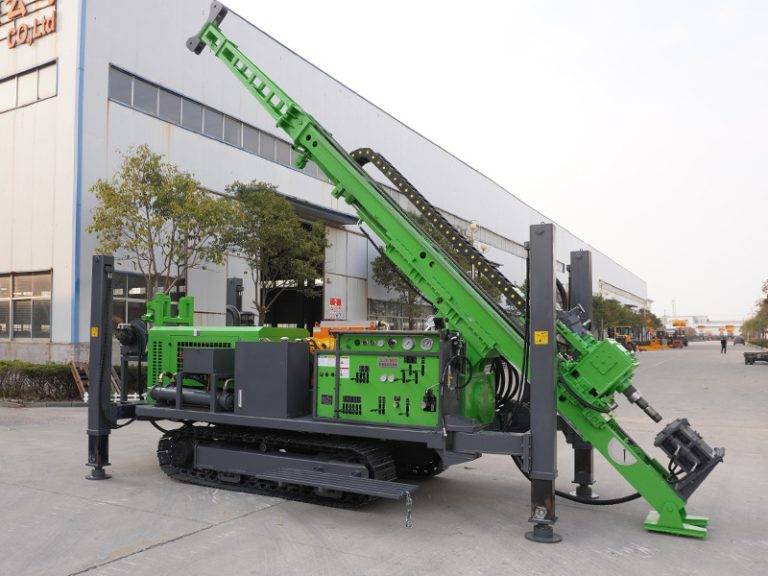
Selecting the right equipment for a site can determine the success of an entire project. In the demanding fields of mining and geology, the fully hydraulic core drill has emerged as the industry standard for precision.
This technology offers unparalleled control and reliability compared to older mechanical systems. Whether you are operating in the remote terrains of Central Asia or the heat of Saudi Arabia, understanding your rig’s capabilities is essential.
Why Choose a Fully Hydraulic Core Drill Over Mechanical Alternatives?
Traditional rigs often struggle with inconsistent pressure and complex manual shifting. A fully hydraulic core drill simplifies these processes through a centralized control system that manages both rotation and hoisting.
- Stepless Speed Regulation: Operators can adjust speeds smoothly without stopping the engine.
- Reduced Labor Intensity: Automated rod handling features minimize the physical strain on your crew.
- Enhanced Safety: Hydraulic systems include built-in pressure relief valves to prevent equipment failure during deep-hole drilling.

Key Applications for the Geological Core Drilling Rig
A modern geological core drilling rig is designed for versatility across various soil and rock conditions. These machines are essential for obtaining high-quality samples that provide accurate data for resource estimation.
Many of our clients in Southeast Asia utilize a core exploration drilling rig to navigate dense jungle terrain. The compact footprint and high power-to-weight ratio make these units easy to transport and deploy.
Internal Link Suggestion: Explore our latest Core Exploration Drilling Rig Models to find the right fit for your specific geological conditions.
How to Evaluate a Core Drill Rig Supplier
When searching for a reliable core drill rig supplier, look beyond the initial price tag. Professional buyers in Africa and the Middle East often prioritize after-sales support and spare parts availability.
- Technical Certifications: Ensure the manufacturer adheres to ISO and CE standards for safety and quality.
- Customization Options: A reputable supplier should offer modifications for extreme temperatures or high-altitude operations.
- Warranty and Training: Comprehensive training for your local operators ensures the longevity of your investment.
If you are currently looking for a full hydraulic core drill for sale, verify the hydraulic component brands. Using world-class pumps and valves ensures that your core drilling rig for mineral exploration remains operational in remote sites.
Maintenance Tips for Your Fully Hydraulic Core Drill
To maintain peak performance, your team must follow a strict hydraulic fluid management protocol. Contamination is the leading cause of hydraulic failure in dusty or humid environments.
- Daily Inspections: Check all hoses for leaks and monitor the oil temperature gauges regularly.
- Filter Replacement: Change hydraulic filters every 500 hours of operation to protect sensitive valves.
- Cooling Systems: Ensure the oil cooler is free of debris, especially in high-ambient-temperature regions like Saudi Arabia.